
GJA Warns Journalists Against Abuse Of Press Freedom
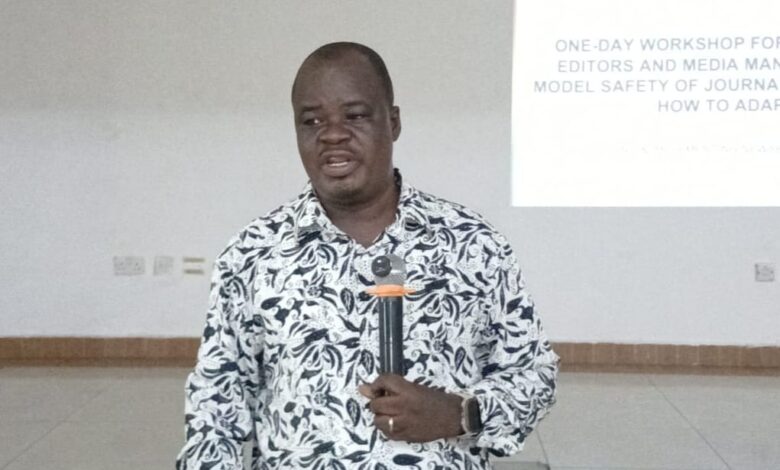
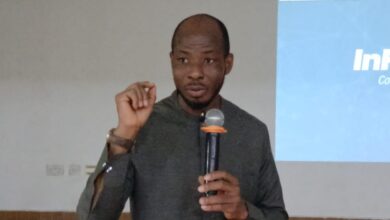
The Ashanti Regional Vice Chairman of the Ghana Journalists Association (GJA), Nicholas Osei-Wusu, has urged journalists to exercise professionalism and responsibility in the discharge of their duties, warning that press freedom does not give media practitioners the licence to publish anything without regard for the law.
He said although the 1992 Constitution guaranteed freedom of expression and media freedom, journalists must remain mindful of the constitutional limitations governing their work.
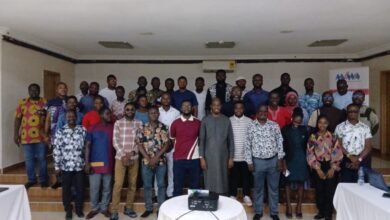
Mr. Osei-Wusu made the remarks at a one-day workshop for journalists, editors and media managers in Kumasi on the theme, “Developing and Implementing Newsroom Safety Policy.”
The workshop, organised with support from the Media Foundation for West Africa (MFWA), focused on the Model Safety of Journalists Policy and how media organisations could adapt and implement it in their newsrooms.
He noted that Ghana’s Fourth Republic, which began in January 1993, had survived for more than three decades, with the media playing a significant role in sustaining the country’s democratic governance.
According to him, the media had served as a bridge between the government and the governed by giving voice to the voiceless, exposing wrongdoing and holding public officials accountable for their stewardship.
He, however, observed that the important role played by journalists came with serious risks, particularly when they investigated and exposed misconduct by powerful individuals.
He cited the murder of investigative journalist Ahmed Hussein-Suale as a painful reminder of the dangers confronting media practitioners, stressing that journalists must not allow such sacrifices to go in vain.
“We should not lower the standard, and we should not let the suffering go in vain. We must do all that we can to uphold what society has entrusted unto us,” he stated.
Mr. Osei-Wusu reminded journalists of the constitutional provisions protecting their profession, particularly Article 21 and Chapter 12 of the 1992 Constitution, which guarantee fundamental freedoms, including freedom of speech and expression and media freedom.
He, however, drew attention to Article 164 of the Constitution, which places limitations on media freedom in the interest of national security, public order, public morality and the rights and reputations of others.
He cautioned journalists against assuming that the freedom guaranteed under the Constitution was unlimited, insisting that media practitioners must respect the rights of others while performing their watchdog responsibilities.
He cited the 1994 Rwandan genocide as an example of the devastating consequences of irresponsible media practice, noting that media platforms had been used to fuel hatred and violence, with grave consequences for society.
He warned that journalists would not be insulated from the consequences of national instability and social disorder, urging them to promote responsible journalism and social cohesion.
The GJA Ashanti Vice Chairman assured journalists that the Association, together with the MFWA, broadcasting associations and the National Media Commission (NMC), remained committed to defending media practitioners who operated within the law and upheld.
He, however, urged journalists to take personal responsibility for their safety while demanding stronger institutional protection from their employers.
Mr. Osei-Wusu particularly appealed to media owners, managers and editors to make the safety and welfare of their reporters a priority rather than concentrating solely on maximising profits and building their media brands.
He stressed that human resources remained the most valuable asset of every media organisation and that losing a worker through preventable attacks or inadequate safety measures reflected poor management.
“Please, for the sake of God, prioritise the safety and security of your workers because every organisation’s private asset or capital is its human resource,” he appealed.
He therefore encouraged participants, especially media owners and managers, to take keen interest in the Model Safety of Journalists Policy and ensure its effective implementation to create a safer working environment for journalists.