
MFWA Tasks Media Houses To Adapt Journalists’ Safety Policy
The Media Foundation for West Africa (MFWA) has tasked media houses across the country to adapt its Model Safety of Journalists Policy to their respective newsroom conditions to protect journalists against attacks, threats and intimidation.
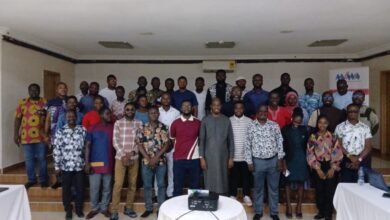
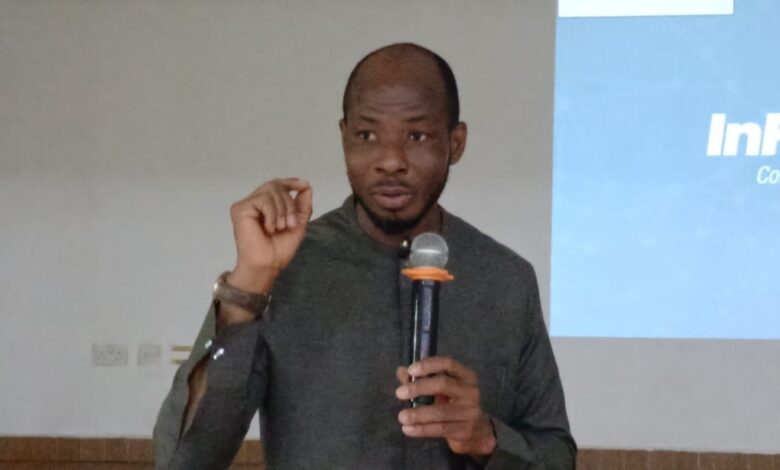
The Programme Director of MFWA, Dr. Kojo Impraim, gave the charge at a one-day workshop for journalists, editors and media managers in Kumasi on Wednesday, November 18, 2026.
The workshop, held on the theme, “Developing and Implementing Newsroom Safety Policy,” was aimed at equipping media practitioners with the knowledge and skills to adapt and implement the policy in their respective organisations.
Dr. Impraim said journalists played a critical role in informing the public, exposing wrongdoing, holding people in authority accountable and strengthening democracy, but continued to face various forms of attacks and risks in the discharge of their duties.
He listed physical attacks, threats, online harassment, legal pressure, intimidation and psychological stress among the dangers confronting journalists, particularly those reporting on sensitive issues.
According to him, the threats were not limited to election coverage but also occurred during demonstrations and investigations into illegal mining, government corruption, abuse of power and human rights violations.
He cited the unresolved murder of investigative journalist Ahmed Suale as one of the disturbing examples of attacks against media practitioners in Ghana, lamenting that justice had yet to be served.
He warned that attacks against journalists that went uninvestigated and unpunished created opportunities for further violence.
Providing statistics on press freedom violations, Dr. Impraim disclosed that the MFWA recorded 32 violations across 12 West African countries in the first quarter of 2026, with the figure increasing to 44 in the second quarter and rising further in the third quarter.
He described the figures as evidence of the growing concerns over journalists’ safety and the need for deliberate measures to address the situation.
Dr. Impraim stressed that the responsibility for protecting journalists should not be left to individual reporters but must be shared by media owners, managers, editors, assignment editors, professional associations and regulatory bodies.
He mentioned the Ghana Journalists Association (GJA), Ghana Independent Broadcasters Association (GIBA), Private Newspapers and Online News Publishers Association of Ghana (PRINPAG), Ghana Community Radio Network and the National Media Commission (NMC) among the institutions with important roles to play.
He explained that the Model Safety of Journalists Policy provided a practical framework that media organisations could adapt to establish clear procedures for protecting journalists before, during and after assignments.
The policy covers risk assessments, newsroom security, physical and online safety, legal support, emergency response, incident reporting and the psychological well-being of journalists.
He also disclosed that the MFWA had introduced a legal support fund to assist journalists who qualified for assistance under its guidelines.
Dr. Impraim urged media owners, managers and editors to consider the policy an investment in journalism and the protection of media workers rather than merely an administrative responsibility.
He said effective implementation would help media organisations move from reacting to attacks after they occurred to taking proactive steps to prevent them.
He therefore called on media houses to conduct risk assessments before assigning reporters to potentially dangerous locations, establish clear procedures for reporting threats and attacks, designate persons responsible for safety and provide the necessary support for journalists.
Acknowledging the differences in the sizes, resources and operational structures of media organisations, he said the model policy was flexible and could be adapted to suit the specific needs and circumstances of individual newsrooms.
He expressed the hope that participants, particularly media managers and editors, would take deliberate steps to implement relevant aspects of the policy upon returning to their respective organisations.
Dr. Impraim said the ultimate objective was to establish functional newsroom safety systems that would protect journalists and enable them to carry out their professional responsibilities without fear or intimidation.