
Ashanti Records 125 Fire Outbreaks in Less Than a Month

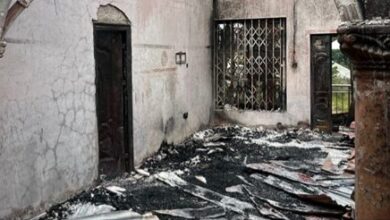
The Ashanti Regional Coordinating Council has expressed grave concern over the rising number of fire outbreaks recorded across the region, with 125 incidents reported between January 1 and January 28, 2026.
According to figures from the Ghana National Fire Service (GNFS), the increasing cases have become a major threat to lives, properties, and economic activities, particularly as the region experiences the peak of the dry season.
Ashanti Regional Minister, Dr. Frank Amoakohene, has described the trend as alarming and called for urgent collaboration among residents, traders, institutions, and other stakeholders to address the situation.
Reports indicate that the fire incidents recorded within the period include market, residential, commercial, industrial, vehicular, and bush fires, as well as other outdoor fire emergencies.
Authorities have attributed the rapid spread of fires to the prevailing dry and windy weather conditions, which often worsen minor fire outbreaks and turn them into major disasters.
Markets across the region have been identified as some of the most vulnerable areas, with authorities expressing concern over repeated fire outbreaks in major trading centres. These markets serve as vital economic hubs and sources of livelihood for thousands of traders and families. The destruction caused by market fires often results in the loss of goods, investments, and years of hard work, leaving victims financially distressed.
The Regional Minister also raised concerns over the increasing cases of bush fires, which are largely linked to uncontrolled burning, unsafe farming practices, and careless disposal of burning materials. Such fires, authorities warn, pose serious threats to farmlands, forest reserves, residential communities, and public infrastructure.
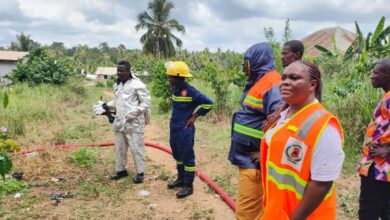
While commending the Ghana National Fire Service for its quick response to emergencies, authorities noted that the level of destruction caused by the fires continues to have severe effects on families, businesses, and the local economy.
Preliminary investigations by the Fire Service suggest that many of the fire outbreaks are preventable and are often caused by electrical faults, illegal electricity connections, poor wiring systems, improper storage of flammable materials, and the unsafe use of open flames for cooking and lighting in congested areas.
Residents, traders, and business owners have therefore been urged to observe strict fire safety measures, especially during the dry season. Authorities are advising the public to ensure regular inspection of electrical installations, avoid indiscriminate burning, and promptly report fire hazards to the relevant agencies.
The Regional Coordinating Council has stressed that preventing fire outbreaks requires collective responsibility, urging residents to play active roles in protecting lives and properties.
Authorities are expected to intensify public education, enforce safety regulations, and strengthen community engagement to help reduce fire incidents and safeguard the socio-economic stability of the Ashanti Region.