
Bantama, Race-Course Traders Defy KMA Sanitation Exercise
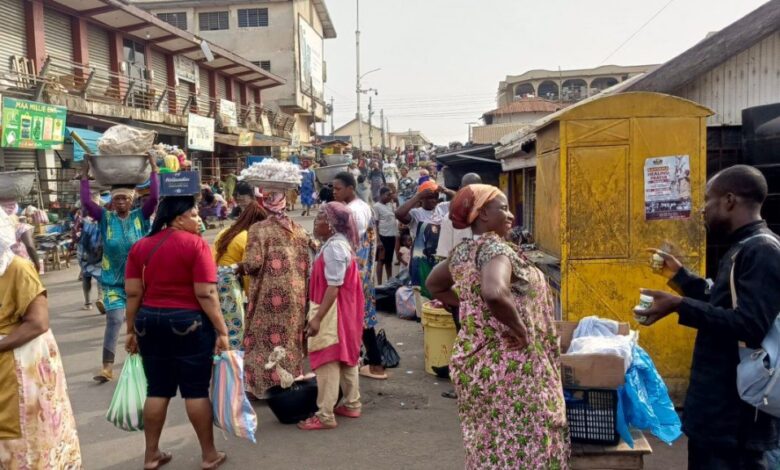
Traders at Bantama and the Race-Course Market have come under fire for allegedly defying a city-wide sanitation exercise organized by the Kumasi Metropolitan Assembly (KMA), despite prior public announcements directing a temporary suspension of commercial activities.
The exercise, which formed part of the Assembly’s ongoing efforts to improve environmental cleanliness across Kumasi, was aimed at desilting choked gutters, clearing heaps of refuse and reducing the risk of flooding and sanitation-related diseases in the metropolis.
However, when sanitation workers and city authorities commenced work in parts of Bantama and the Race-Course area, several traders were reportedly seen continuing their normal buying and selling activities.
Sources within the Assembly disclosed that repeated announcements were made ahead of the clean-up exercise to notify residents and traders to halt business operations and actively participate. Despite these notices, compliance in some sections of the markets was said to be low.
City officials have described the development as worrying, stressing that such conduct undermines efforts to maintain Kumasi’s reputation as a major commercial and cultural hub in Ghana.
“It is unfortunate that while authorities and sanitation teams are working tirelessly to clear gutters and remove waste, some traders appear indifferent to the directives,” an official lamented.
Over the years, images of the Mayor of Kumasi participating in clean-up activities have circulated widely on social media, symbolising leadership by example. Yet, the recurring instances of non-compliance in certain markets continue to raise concerns about enforcement and civic responsibility.
Some traders, however, privately argue that frequent interruptions to market activities affect their daily income, particularly amid current economic challenges. According to them, market days are crucial for earning a livelihood, and even short suspensions can have financial consequences.
Sanitation remains a major urban challenge in fast-growing cities, and Kumasi is no exception. Choked drains have been identified as a key factor in flooding during the rainy season, while poor waste management increases the risk of outbreaks of cholera and other sanitation-related diseases.
The KMA has consistently emphasized shared responsibility between authorities and residents in achieving a cleaner metropolis. Its broader vision includes fostering a healthier and more orderly city, but this requires active cooperation from traders, transport operators and the general public.
Residents are now calling for stricter enforcement of sanitation bylaws to address persistent non-compliance. While some advocate sanctions as a deterrent, others suggest intensified public education and stakeholder engagement to encourage voluntary participation.
As Kumasi continues to grow as a commercial nerve centre, observers say sustained cleanliness will depend not only on periodic clean-up exercises but also on long-term behavioural change and strict adherence to sanitation regulations.